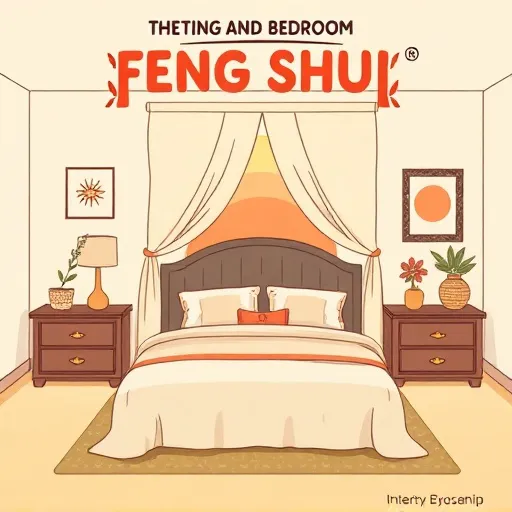
Feng shui interior d
What Feng Shui Actually Means for a Bedroom
Let's clear the air right up front. Feng shui isn't some mystical magic trick, and it's definitely not a religion. At its heart, it's a traditional interior design philosophy about arranging your living space so that energy flow — often called qi — moves smoothly instead of getting stuck. When you're figuring out how to set up a feng shui bedroom, the goal is refreshingly simple: build a sleep environment that supports deep rest, emotional security, and a gentle sense of balance.
A lot of these feng shui principles really boil down to common sense dressed up in elegant philosophy. Don't sleep with your feet pointing straight at the door. Don't cram your bed against a wall with zero breathing room. Keep the clutter down. These aren't secret mystical codes — they're design choices that happen to dial down subconscious stress. And honestly, that's the beauty of learning how to set up a feng shui bedroom. Industry professionals who study sleep environments keep confirming that the psychological effect of a well-organized, thoughtfully arranged room is real and measurable.
In 2026, with remote work blurring the lines between "office" and "home," having a bedroom that's genuinely a sanctuary matters more than ever. So let's dig into how to set up a feng shui bedroom step by step.
The Bed Placement Rules and Commanding Position for Better Energy Flow
Everything in feng shui bedroom design starts with the bed placement. The bed is the anchor. If you nail this one piece of how to set up a feng shui bedroom, the rest falls into place.
So where should the bed go? This is the question everyone asks, and the classic advice is simple. Place the bed on a solid wall in what's called the commanding position — meaning you can see the door from the bed, but you're not directly in line with it. That setup gives you a sense of safety and control. Avoid sleeping with your feet aimed at the door; traditional practice calls this the "coffin position," and even if you don't buy the symbolism, most people instinctively feel uneasy facing an open doorway all night. Don't shove the bed into a corner, either — ideally you want access from both sides, which symbolizes balance and makes the bed feel like a shared, welcoming space. And keep the space under the bed clear — no storing boxes of old paperwork down there. Let air circulation and energy flow do their thing.
A solid headboard genuinely matters too, because it represents stability and support. A fabric or upholstered headboard works great. Skip the harsh angles or open, slatted designs that feel unfinished. As for the mattress, here's a modern twist on how to set up a feng shui bedroom: a quality mattress is a feng shui upgrade in itself. Sleep technology has evolved a ton by 2026, and a supportive mattress that suits your body is the foundation of good rest — which aligns perfectly with the philosophy that your bed should nourish you.
Decluttering Tips and Clutter-Free Nightstand Ideas for a Calm Sleep Space
If there's one rule for how to set up a feng shui bedroom that you should follow even if you ignore everything else, it's this: declutter your bedroom. Clutter is the enemy of calm. It creates visual noise that your brain keeps processing even while you're trying to wind down.
Here's a quick decluttering checklist. Clear off your nightstands — keep only essentials like a lamp, a book, and maybe a small plant. Remove workout equipment from the bedroom, since exercise energy doesn't belong in a rest space. Don't treat the bedroom as a storage room; if you must store things, use closed, tidy containers. And deal with the "chairdrobe" — that pile of clothes on the chair. It's clutter, and it's quietly stressing you out. When you clear physical clutter, you clear mental clutter. That's the whole point of how to set up a feng shui bedroom.
Calming Paint Colors and Natural Materials That Soothe the Nervous System
Color is one of the easiest levers to pull when you're learning how to set up a feng shui bedroom. In feng shui, bedroom colors should lean toward the soft, earthy, skin-like spectrum. Soft whites and creams bring purity and calm. Warm beiges and taupe feel grounding and stable. Blush and muted terracotta add gentle warmth and support relationships. Soft blues and greens are soothing and nature-inspired, while light lavender feels restful and relaxing.
What should you avoid? Bright reds, neon tones, and harsh black-heavy schemes. A little contrast is fine, but the dominant feeling should be soft. As for materials, natural fabrics like cotton, linen, and wool beat synthetic fibers every time. They breathe, they feel better, and they align with the principle of natural harmony — another core idea behind how to set up a feng shui bedroom.
Layered Lighting and Blackout Curtain Solutions for a Restful Bedroom
Harsh overhead lighting is a feng shui no-no. Think about it — bright, glaring lights before bed tell your brain it's daytime. Instead, aim for layered, warm lighting as part of how to set up a feng shui bedroom. Use bedside lamps with warm bulbs around 2700K, add dimmers wherever possible, and let blackout curtains block disruptive light. You can even add soft ambient lighting strips behind the headboard for a cozy glow. Natural light during the day is wonderful — just make sure you can control it at night. A well-rested body starts with a bedroom that respects your circadian rhythm.
Mirror Placement Rules and Electronics-Free Bedroom Tips
Two of the most common questions about how to set up a feng shui bedroom revolve around mirrors and electronics. Mirrors are powerful in feng shui, but in a bedroom, less is more. Avoid placing a mirror directly facing the bed — it can feel startling to catch your own reflection at night and is believed to disrupt restful energy. Mirrored closet doors are usually fine as long as they don't directly reflect the bed.
Electronics are where ancient wisdom and modern sleep science finally agree: get them out of the bedroom, or at least minimize them. TVs, tablets, and phones disrupt sleep quality with blue light and mental stimulation. If you need your phone nearby, put it in a drawer or on airplane mode. A smart device that gently adjusts temperature or plays soft white noise is generally fine — the key is intentionality. Every item should serve your rest, not steal from it.
Breathable Bedding Textiles and Supportive Pillows for Quality Sleep
Feng shui is about comfort as much as anything, and that's a big part of how to set up a feng shui bedroom. Your bedding should feel wonderful. In 2026, options for breathable, temperature-regulating textiles have never been better. Consider natural-fiber sheets in cotton or linen, a duvet that suits your climate and body temperature, and supportive pillows to replace old flat ones. Add a soft rug beside the bed for a warm, grounded first step. This is the "treat yourself" part of how to set up a feng shui bedroom, and it pays off in better sleep.
Air-Purifying Plants and Subtle Aromatherapy for a Restful Atmosphere
A couple of potted plants can bring life and gentle energy into the bedroom — choose low-maintenance, air-purifying options. Avoid anything spiky or aggressive-looking; rounded leaves are more restful. Scent is underrated too. A subtle lavender or cedarwood diffuser can signal to your brain that it's time to relax. Just keep it light — overpowering fragrances are the opposite of feng shui. These small touches make how to set up a feng shui bedroom feel less like a chore and more like a treat.
Complete Feng Shui Bedroom Checklist and Why Sleep Environment Matters in 2026
Here's your full feng shui bedroom setup checklist for 2026, all in one place. Position the bed in a commanding position on a solid wall, visible from the door. Avoid feet-facing-door and corner-pushed layouts. Choose a solid, comfortable headboard. Declutter nightstands and the whole room. Use soft, earthy colors and natural fabrics. Layer warm, dimmable lighting. Keep mirrors away from the bed. Minimize electronics. Add a plant or two and a gentle scent. Invest in quality bedding.
Sleep is the new wellness frontier. As more research emerges and industry professionals keep emphasizing the role of environment in sleep quality, the bedroom has become a space of genuine priority — not an afterthought. Feng shui gives you a framework to design that space with intention. It's not about superstition; it's about creating a room that quietly supports you every single night. You don't need to follow every rule to the letter when learning how to set up a feng shui bedroom. Even implementing two or three of these ideas can shift how your bedroom feels. Start with the bed placement and decluttering, then layer in the colors, lighting, and textiles. Before long, you'll notice the difference — not just in how the room looks, but in how you feel waking up. So go ahead: rearrange that room, push the bed against the solid wall, clear off the nightstand, and light a candle. Your future, well-rested self will thank you.